Health Infrastructure that works
Signalytic brings last-mile health facilities into the digital health system: reliable power, a working connection, and the medical and pharmacy records that go with them. We install solar-powered, offline-first infrastructure on site and host the health applications approved for it. Records are captured and held in country. Work continues without a connection, and records sync when one is available.
Queued records clear when signal returns. No record waits on the network to be usable.
267
Facilities live
5
Countries active
10 +
Healthcare applications available
Backed by, building with









The gap
Digital healthcare is accessible in only one out of every 10 facilities.
Billions have gone into digitizing African health systems, and almost all of it lands where there is already reliable power and a network connection. The software stops there. The district hospital gets the dashboard; the health centre four hours past the end of the line keeps the paper register. That is not a software gap. It is power, connectivity, data residency, and someone accountable for uptime — and it is the part nobody was building.
Sector estimate across multiple countries.
How S+ works
Three layers, installed once.
01
Power at the facility
A solar array and a power module go in on site, sized to run through the night and the rainy season without the grid.
02
Data held locally
Records are captured and stored at the facility, resident in country. Work continues without a connection, and records sync when one is available.
03
Applications on top
Third-party health software is deployed and maintained locally, runs on the platform, and reaches facilities it otherwise can’t.
Deployments
Tell us which facilities you need reached.
Every deployment is scoped to a district, a programme or a network of sites. Send us the shape of yours and we will come back with the detail.
Impact
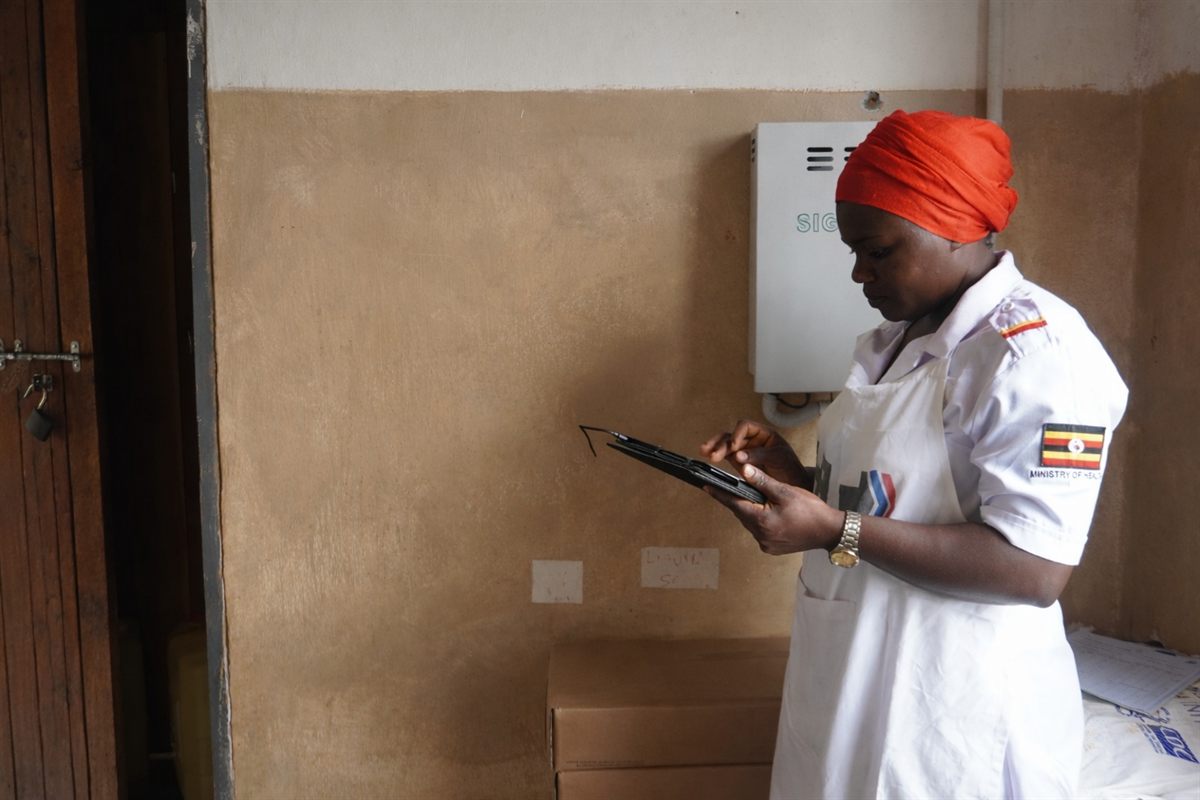
In Yumbe District, remote facilities report to the Ministry of Health at twice the national rate.
Nine health facilities and the district medical store in Yumbe, in Uganda’s far north-west, were brought online with Management Sciences for Health and now report stock data to the Ministry of Health. Between January 2023 and May 2024 their average data synchronisation rate was 83%, against a national average of 42%; five of the facilities have synced at 100% since installation. Before that, checking stock at a facility meant a 45 km ride to look at the register.
Why the records matter
A pharmacy record is a stock record. When a facility knows what it has, it can order before it runs out; when the district can see it, it can move stock to where it is needed. A medical record follows the patient: the next visit starts from what happened at the last one. On paper, both stop at the facility door. Held digitally and synced, they reach the district and the national system, where the decisions about supply and staffing are made.
Yumbe District, Uganda
10
Systems deployed
2×
Reporting rate to the Ministry of Health, against the national average
Recognition & press
Signalytic in the news.
Recognition
GAVI INFUSE Pacesetter
Selected 2024 for the Pacesetter cohort — the innovations GAVI backs for immunisation delivery in hard-to-reach settings.
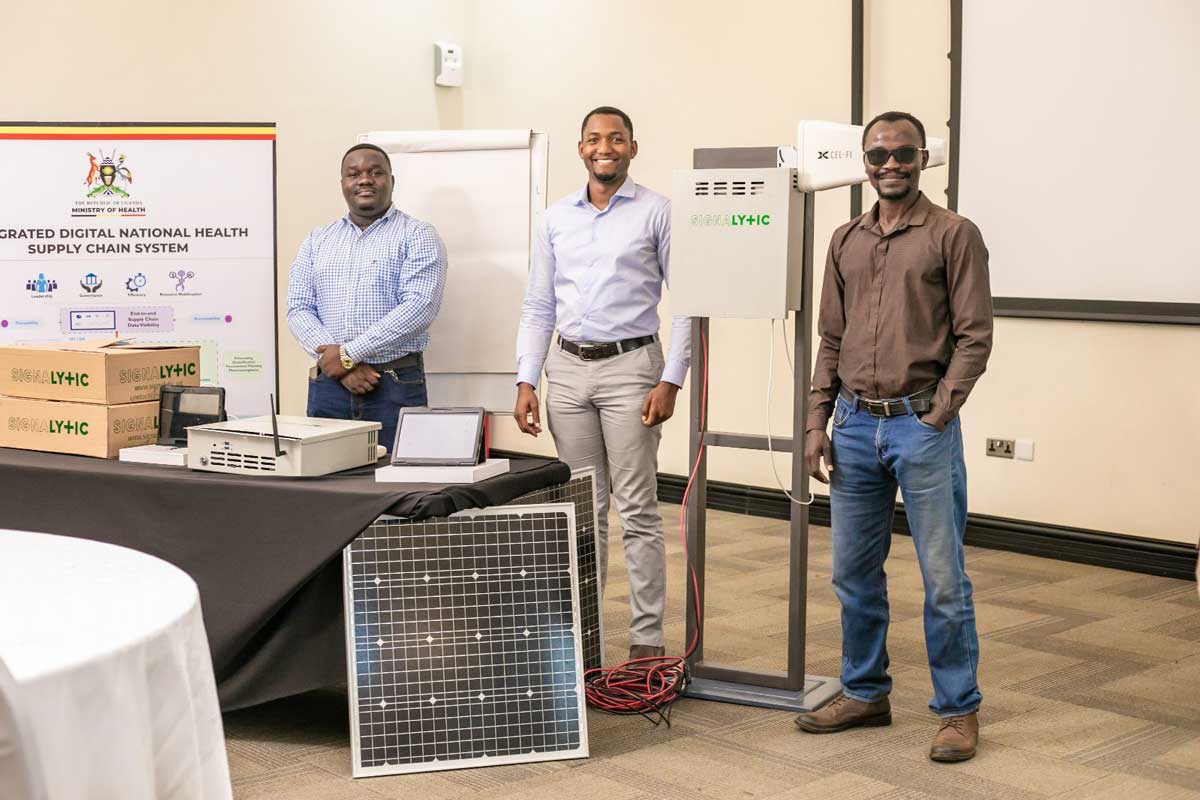
Coverage & announcements
Press enquiries route through the contact form. Send us anything published about a deployment and it goes here.
Signalytic Leadership Team


Get in touch.
Customer service
Already running Signalytic?
Contact lines (24/7 availability)
Something wrong on site
Report an issue
A site offline, a hardware fault, or records that have not synced. Give us the facility ID and what you are seeing — a ticket opens with the field team and you get a reference back.
Report an issue (opens the helpdesk in a new tab)